Vouch field note · July 2026
AI voice scams: what to verify before money moves.
A familiar voice can no longer carry the whole burden of identity. Pause the request, verify through a channel you already trust, then decide.
Review the Vouch thesis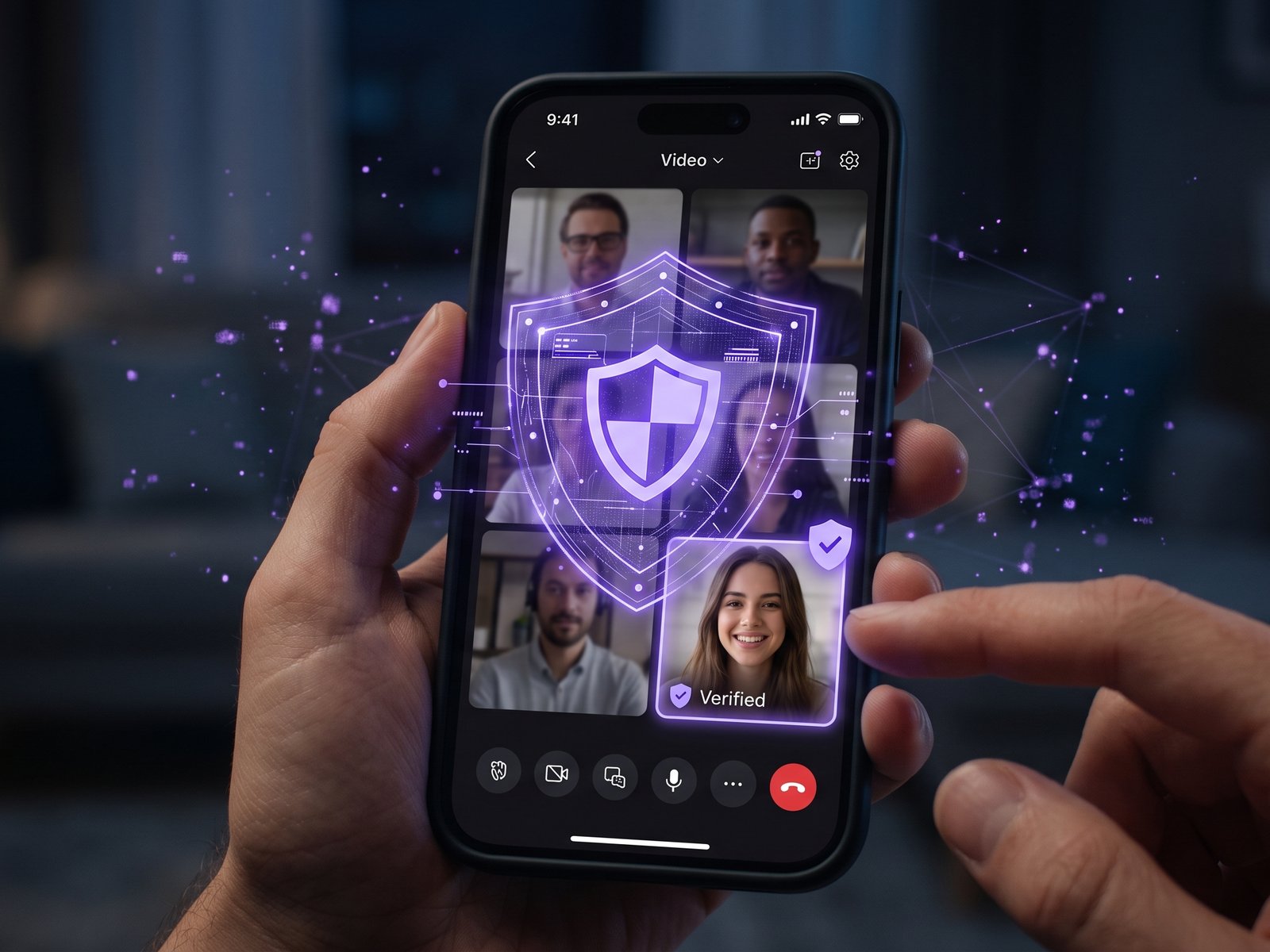
The immediate problem
The voice may be convincing. The request still has to be verified.
The Federal Trade Commission warns that a scammer can create a voice clone from a short audio clip found online. The FBI has separately warned that synthetic voice messages can be used to build trust before asking for access, information, or funds.
The useful response is not to become an audio-forensics expert in the middle of a crisis. It is to break the chain between a familiar voice and an irreversible action.
The 60-second response
If the voice asks for money, credentials, or secrecy.
-
01
Pause the action
Do not transfer money, share a code, approve a login, or reveal private information while the caller is creating urgency.
-
02
Leave the channel
End the call. Use a number, account, or communication route you had already confirmed before the request arrived.
-
03
Verify authority
Confirm both who is asking and whether they are allowed to request that action. A recognizable voice proves neither.
Beyond detection
A stronger system verifies three different things.
Listening for glitches may help, but the FBI notes that AI-generated content can be difficult to identify. A durable verification layer should not depend on one person hearing the fake in time.
- Presence
- Is a real person participating live, rather than a replay or generated response?
- Authority
- Does that person have the right to request this transfer, disclosure, or account change?
- Intent
- Can the specific action be confirmed without relying on the same compromised channel?
The venture question
The response today is procedural. The opportunity is infrastructural.
Vouch explores whether trusted-device signals, cryptographic attestation, and live challenges can make human presence legible before a high-consequence action completes.
That idea remains exploratory. The hard questions are speed, privacy, replay resistance, and whether verification can fit an ordinary conversation without becoming a security ceremony.
Read the Vouch dossier →