Public collection / Dossier E—05
Echo
No voice is ever lost.
Applied AI
The proposition
The premise
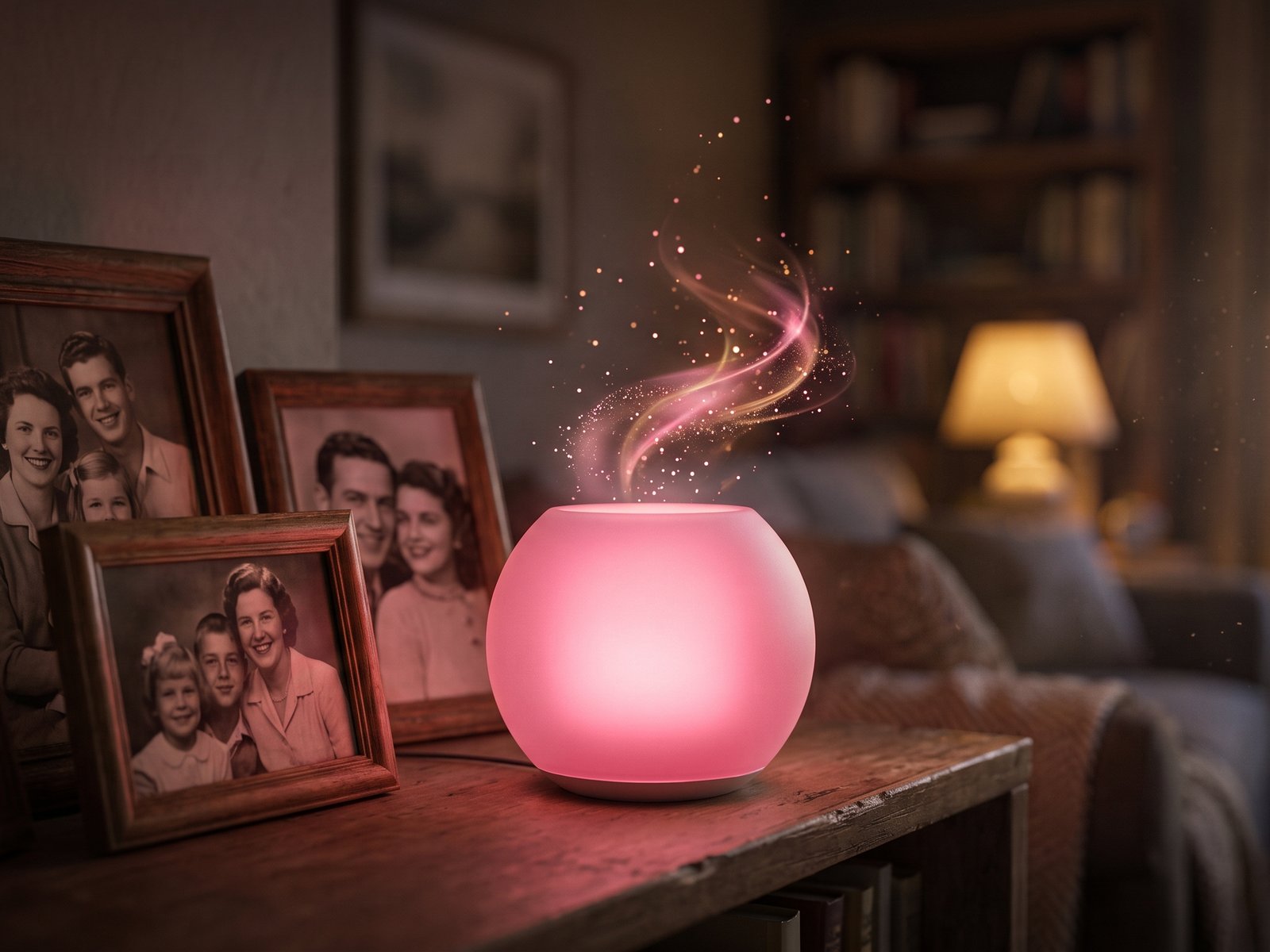
Echo begins with the fragments people already preserve: photographs, letters, voicemails, and stories. It asks whether those fragments can become a private, consent-led way to remember someone more vividly.
With explicit permission given in life, a personal model could learn cadence, humour, and turns of phrase. The concept has to be governed by the family, clear about what is synthetic, and designed with grief experts rather than around them.
The proposed system
How it could work
Consent
Source material would enter only through an explicit, revocable permission model.
Preserve
A private system could model speech patterns while keeping provenance visible.
Govern
Families would control access, deletion, portability, and when the experience should stop.
The diligence
The questions that matter
-
01
What form of consent remains meaningful after death?
-
02
How should every synthetic response show its provenance?
-
03
Which safeguards reduce harm rather than merely limit liability?
Private access
Request a private conversation about Echo.
Explore acquisition, formation backing, or a mandate inspired by the same problem.
Request details are stored for fit review. Email Invisally to ask for removal.
← Back to the public collection
Echo is an exploratory concept, not a launched product or an offer of securities. No commercial availability, return, or allocation is promised.